
Industries in KIIC Suryacipta Karawang That Connected To Thermal Spray Coating Service
August 19, 2022
Proven Benefits of Machining in Industrial Engineering
August 23, 2022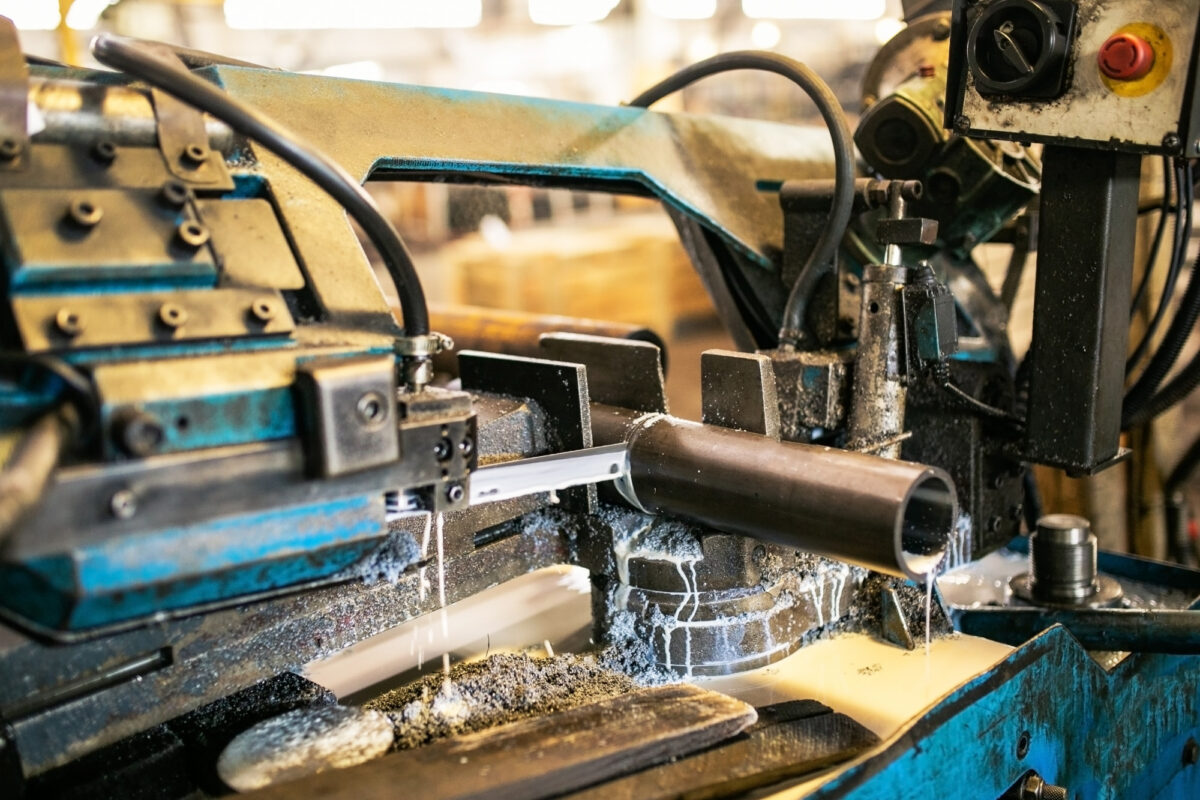
Top 10 Facts About Machining: Exploring the Heart of Manufacturing. Machining has long been the backbone of modern manufacturing, offering precision, flexibility, and efficiency in transforming raw materials into finished products. This process employs advanced tools and techniques to cut, shape, and refine solid materials into essential components for various industries, including aerospace, automotive, and medical technology.
For businesses seeking robust solutions, including Karawang HVOF Service and Karawang industrial machining, machining provides unparalleled adaptability. From simple geometries to intricate designs, machining remains integral to the production of high-quality, durable parts for critical applications. Understanding facts about machining helps industries optimize their processes and embrace innovation.
1. Top 10 Facts About Machining
1.1 The Oldest Metalworking Process
Machining is one of the oldest metalworking methods, tracing its origins back centuries to when simple tools were used to shape metal. Among the key facts about machining, its historical roots highlight its evolution into today’s advanced technology.
1.2 Precision and Accuracy
Modern machining techniques allow for extreme precision, producing parts with micron-level tolerances to meet stringent industry standards. This is one of the most important facts about machining that underscores its relevance in high-precision industries.
1.3 Versatile Applications
Machining supports a vast array of industries, including aerospace, automotive, medical devices, and electronics, showcasing its versatility. Understanding facts about machining applications can guide businesses in selecting the right processes for their needs.
1.4 Lightweight and Strong Components
This process can create components that are both lightweight and strong, crucial for industries like aerospace and transportation.
1.5 From Small to Large Parts
Machining can handle everything from tiny, intricate parts to large structural components, providing unmatched flexibility. Among the facts about machining, its scalability is a defining feature.
1.6 Variety of Materials
A wide range of materials can be machined, including metals, plastics, and composites, enabling diverse applications.
1.7 Different Tooling Techniques
Machining employs various tools and machines, such as lathes, drills, and milling machines, to achieve specific outcomes.
1.8 Multi-Stage Processes
Many machining projects involve multiple stages, allowing for precise execution and refinement of the final product. These layered approaches are integral facts about machining in modern manufacturing.
1.9 Essential for Manufacturing
Machining plays a crucial role in manufacturing, forming the foundation for the production of countless goods and equipment.
1.10 A Continuous Evolution
From manual tools to automated CNC systems, machining continues to evolve, integrating cutting-edge technologies to enhance efficiency and capabilities.
2. What is Machining?
The Core Definition
Machining is the process of cutting or grinding material into a desired shape using specialized tools. This versatile process can create components with precise tolerances, essential for ensuring the efficiency and reliability of modern equipment. Among the facts about machining, its ability to deliver unmatched precision stands out.
Key Steps in Machining
Machining involves several critical stages, including:
- Operation Planning: Designing the process sequence for achieving the desired geometry.
- Tool Assembly: Setting up appropriate tools for the job, such as lathes or drills.
- Process Monitoring: Ensuring accuracy and quality throughout production.
Popular Applications
Machining is widely employed in manufacturing components for sectors like aviation, automotive, and medical devices. Its precision makes it ideal for creating parts used in engines, surgical tools, and transport systems.
3. The Evolution of Machining
Historical Milestones
Machining dates back centuries, evolving from simple manual tools to sophisticated CNC machining systems. These technological advancements have enabled the production of components with unparalleled precision and complexity.
Impact on Industries
From creating early machinery parts to enabling modern industrial automation, machining has consistently driven innovation. For instance, the development of high-precision tools revolutionized sectors like electronics and aerospace.
The Role of Automation
The integration of robotic machining and IoT-enabled systems has streamlined production, reducing human error and increasing efficiency. Automated processes ensure consistent quality and faster turnaround times, aligning with modern facts about machining advancements.
4. Types of Machining Techniques
CNC Machining
CNC (Computer Numerical Control) machining uses automated systems to control cutting tools with high accuracy. This technique is widely used for complex designs, offering repeatability and speed.
Simplified Machine Operation (SLM)
SLM machining employs rotary tables instead of cutting tools, enabling faster processing for less intricate parts. While cost-effective, it may lack the precision of CNC systems.
Punch Press Machining
Punch presses are ideal for creating holes in metal sheets, combining speed and simplicity. However, the finish may not match the high standards of advanced machining methods.
| Feature | CNC Machining | SLM Machining | Punch Press |
|---|---|---|---|
| Precision | High | Moderate | Low |
| Speed | Moderate | High | High |
| Application Complexity | Complex | Simple | Basic |
5. Advantages of Machining
Key Benefits
- Versatility: Machining can handle a variety of materials, including metals, plastics, and composites.
- Precision: Achieve micron-level tolerances for intricate designs.
- Customization: Easily adapt to specific project needs.
Enhanced Productivity
Machining reduces lead times, enabling faster production cycles without compromising on quality. This efficiency supports industries such as wire flame spraying Karawang and is one of the vital facts about machining in modern applications.
Cost Efficiency
By minimizing waste and optimizing material use, machining proves to be an economical solution for both small-scale and mass production.
6. Common Challenges in Machining
Material Limitations
Some materials, such as high-strength alloys, require specialized tools and techniques to machine effectively.
Maintenance Demands
Machining equipment needs regular maintenance to prevent wear and tear, ensuring consistent performance.
Safety Concerns
Operators must follow stringent safety protocols, including wearing protective gear and using proper ventilation.
7. Frequently Asked Questions (FAQs)
What are the primary materials used in machining?
Machining commonly involves metals like steel and aluminum, as well as plastics and composite materials.
How does CNC machining differ from traditional methods?
CNC machining offers automated precision and consistency, whereas traditional methods rely on manual input.
Can machining support eco-friendly manufacturing?
Yes, machining minimizes waste through precise material use and energy-efficient systems.
What industries benefit the most from machining?
Aerospace, automotive, medical, and electronics industries gain significant advantages from machining.
Does PT TOCALO provide machining-related services?
Yes, PT TOCALO offers cutting-edge machining services, including high velocity oxy-fuel spraying and customized solutions for industrial needs.
8. Innovations in Machining Technology
Smart Machining
The adoption of IoT-enabled systems allows real-time monitoring and optimization of machining processes, ensuring enhanced productivity.
Advanced Tooling
New materials like diamond-coated tools offer superior durability and cutting performance.
Sustainable Practices
Innovations such as coolant recycling and energy-efficient equipment contribute to greener manufacturing practices.
9. Applications of Machining in Modern Industries
- Aerospace:
- Engine components.
- Structural parts.
- Automotive:
- Transmission systems.
- Brake discs.
- Medical Devices:
- Surgical tools.
- Prosthetics.
- Electronics:
- Circuit boards.
- Heat sinks.
These applications highlight machining’s versatility and indispensable role in producing high-quality components.
10. Conclusion: Why Choose Machining?
Machining remains a cornerstone of modern manufacturing, combining precision, versatility, and cost-efficiency to meet diverse industrial demands. Its ability to adapt to various materials and applications ensures its continued relevance in the face of evolving technologies.
PT TOCALO SURFACE TECHNOLOGY INDONESIA is proud to lead the machining industry, offering innovative solutions registered with Kemenperin and Kemenkeu. For further details on our services, including Karawang HVOF Service and Karawang industrial machining, please visit our Contact Page or click the WhatsApp button below.


